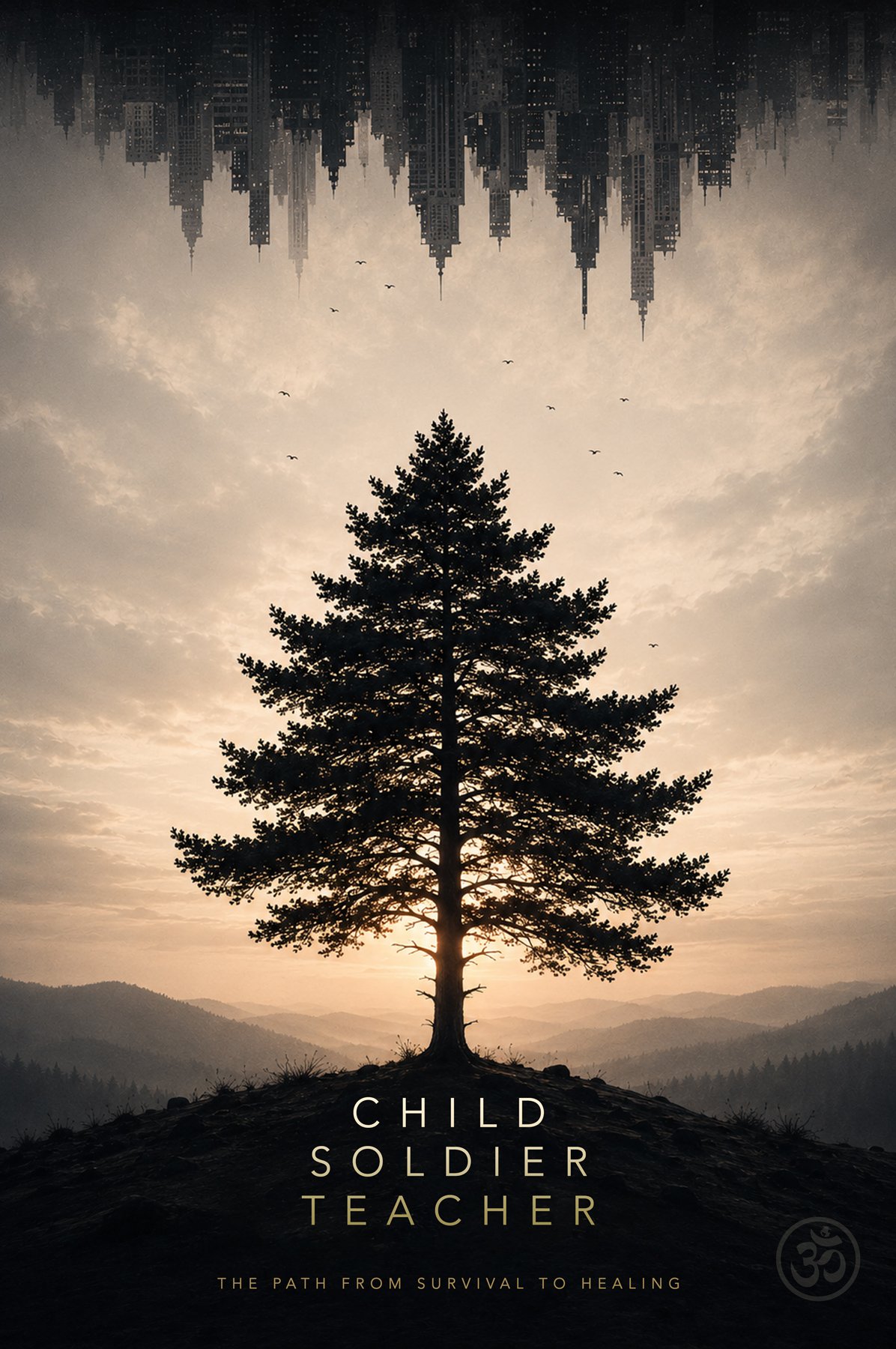
Child Soldier Teacher
Millions survive violence. Far fewer heal from it. Child Soldier Teacher asks why and follows the veterans, educators, scientists, and community healers who are discovering that healing begins in the body, and its impact can ripple across families, communities, and generations.
Violence leaves visible scars on neighborhoods, on cities, on whole generations. But the deeper wounds are the ones people carry inside.
In war zones and communities shaped by poverty and crime, in Indigenous nations still living with the aftermath of historical trauma, millions of people move through their lives weighed down by chronic stress, fear, and loss. We've started talking more openly about trauma, but most of those conversations stop at psychological symptoms and diagnoses without asking what happens when trauma lives in the body, or how it travels from person to person, family to family, community to community.
Child Soldier Teacher starts with a simple but all-encompassing question: How do people heal after living through violence?
To answer this question, the film follows interconnected stories across Baltimore, Ukraine, and Indigenous communities in North America, bringing together veterans, educators, scientists, community leaders, and mindfulness practitioners. People trying to make sense of what happened to them, and what comes next. Together, their experiences reveal how trauma reshapes the brain, the body, identity, relationships, and what it actually takes to recover.
The film is grounded in emerging science. Neuroscientists and researchers help explain what chronic exposure to danger does to human behavior and physiology. But Child Soldier Teacher is equally interested in what communities have learned on their own, through mindfulness, ceremony, storytelling, cultural identity, and the kind of collective care that doesn't show up in clinical studies.
Rather than treating trauma as pathology, Child Soldier Teacher is about what becomes possible when people have what they need to heal relationally and with the right tools to help regulate their nervous systems even while still living in the traumatic situations. By connecting scientific research with lived experience and ancestral knowledge, the film reframes trauma as a shared human challenge and healing as a collective responsibility.
At its core, this is a film about restoration. About what it looks like when people move beyond survival and learn how to reclaim connection, reclaim themselves, and start to imagine a future not defined by violence, but by compassion and hope.
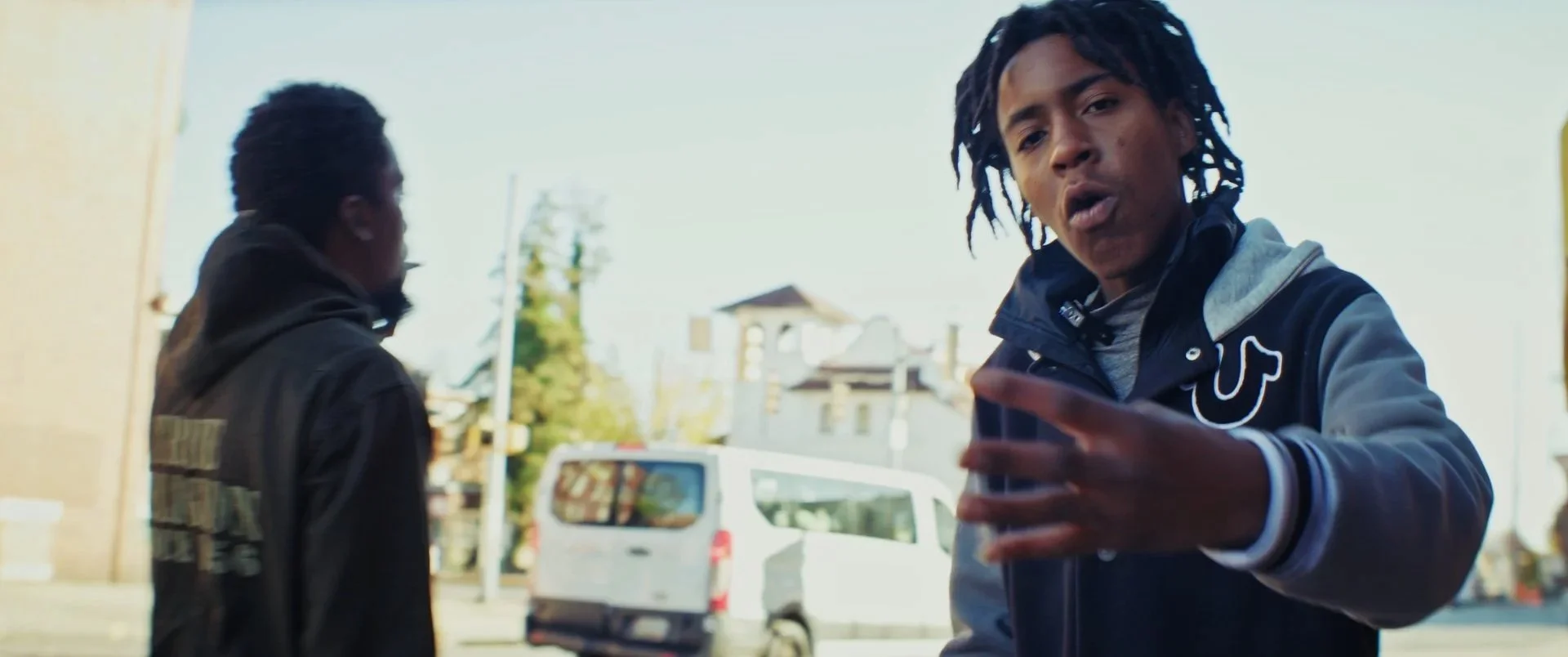
Child Soldier Teacher is an observational and poetic documentary, intimate in scale and expansive in feeling. The camera is handheld and present, moving close to faces, hands, city streets, and quiet moments of reflection. For longer interviews it settles into stillness, holding space for people to speak without interruption. Everyday environments become emotional terrain. A Baltimore classroom, a San Francisco park, a Mohawk ceremonial space, each place carries its own texture and its own relationship to loss and recovery, and the film tries to be faithful to that specificity rather than smooth it into something universal too quickly.
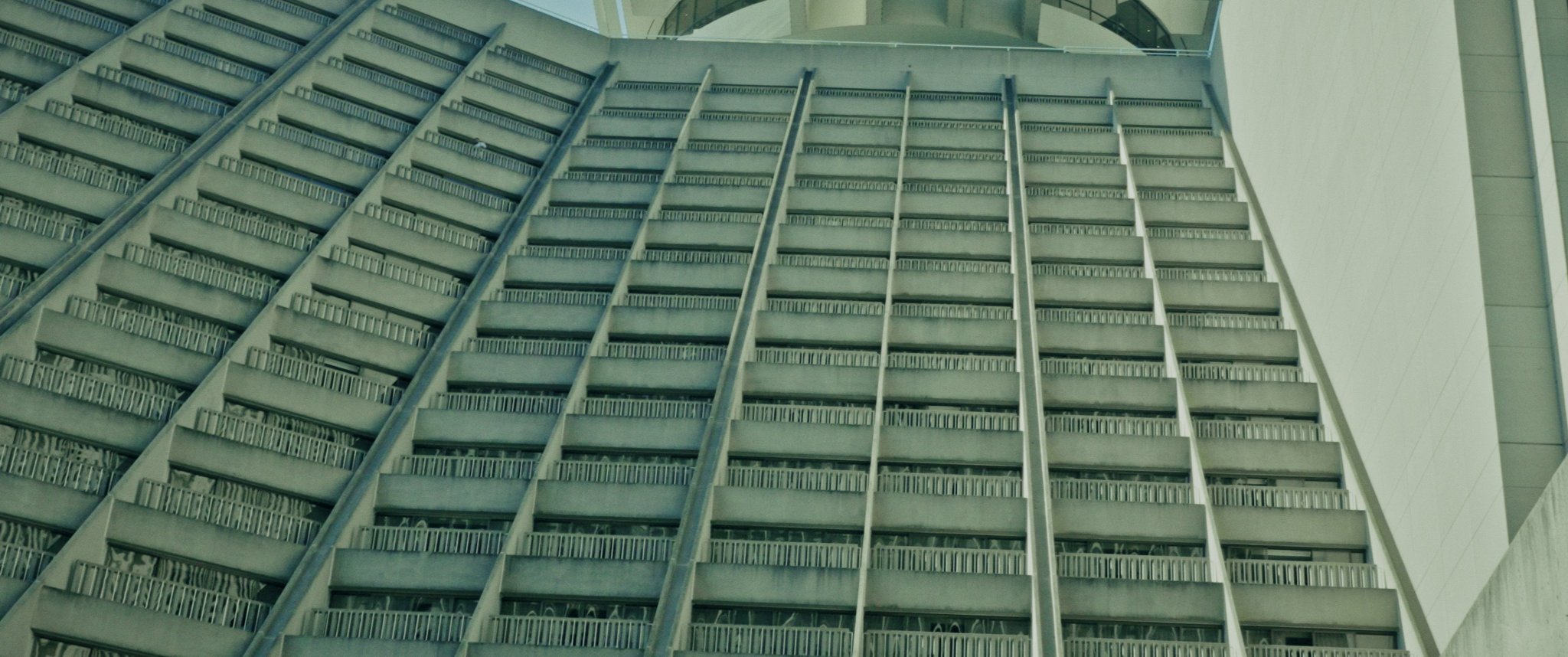
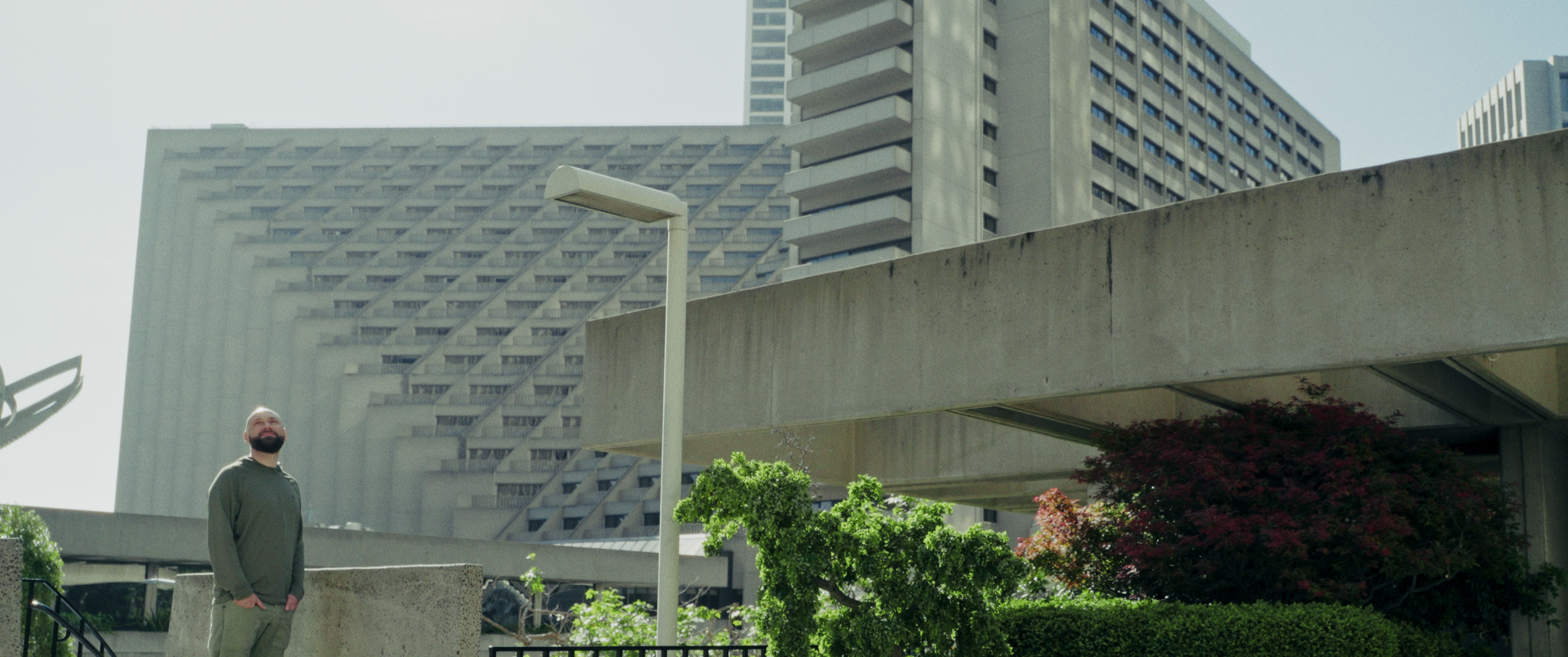
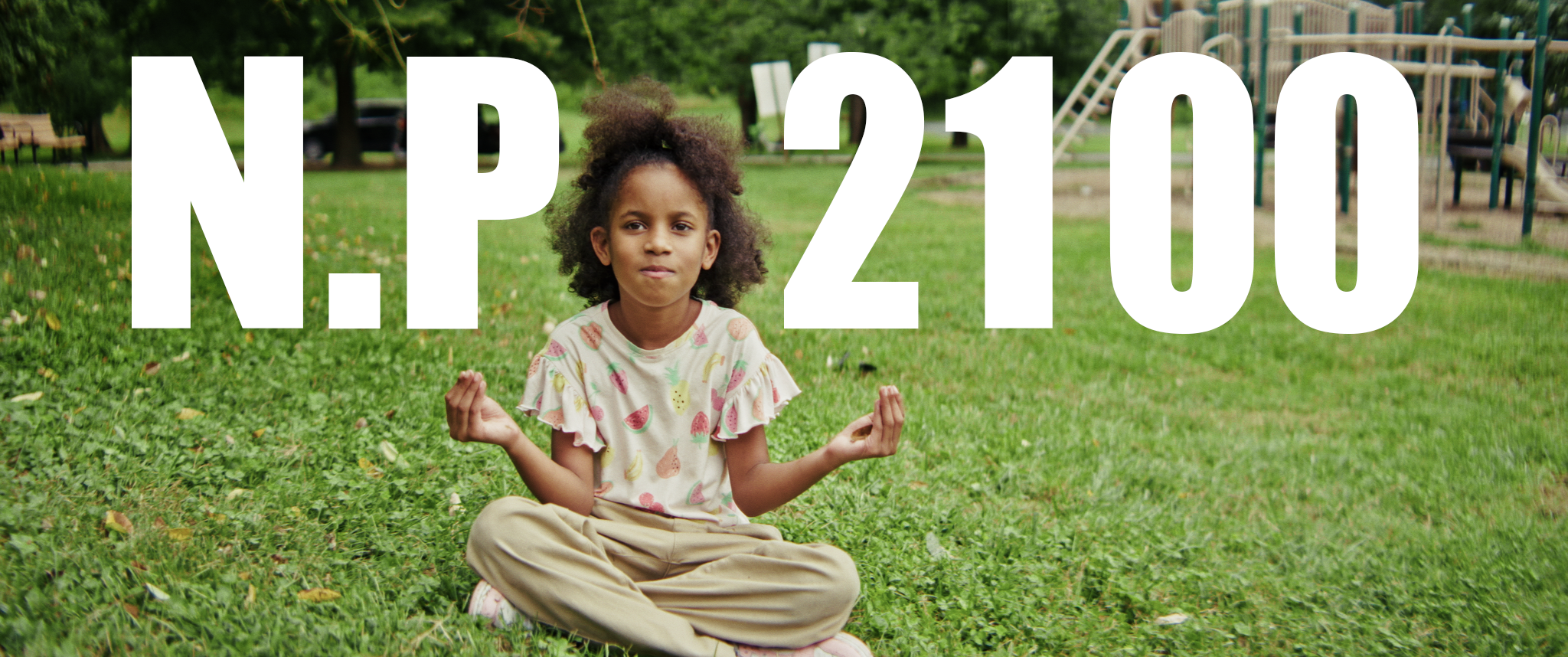
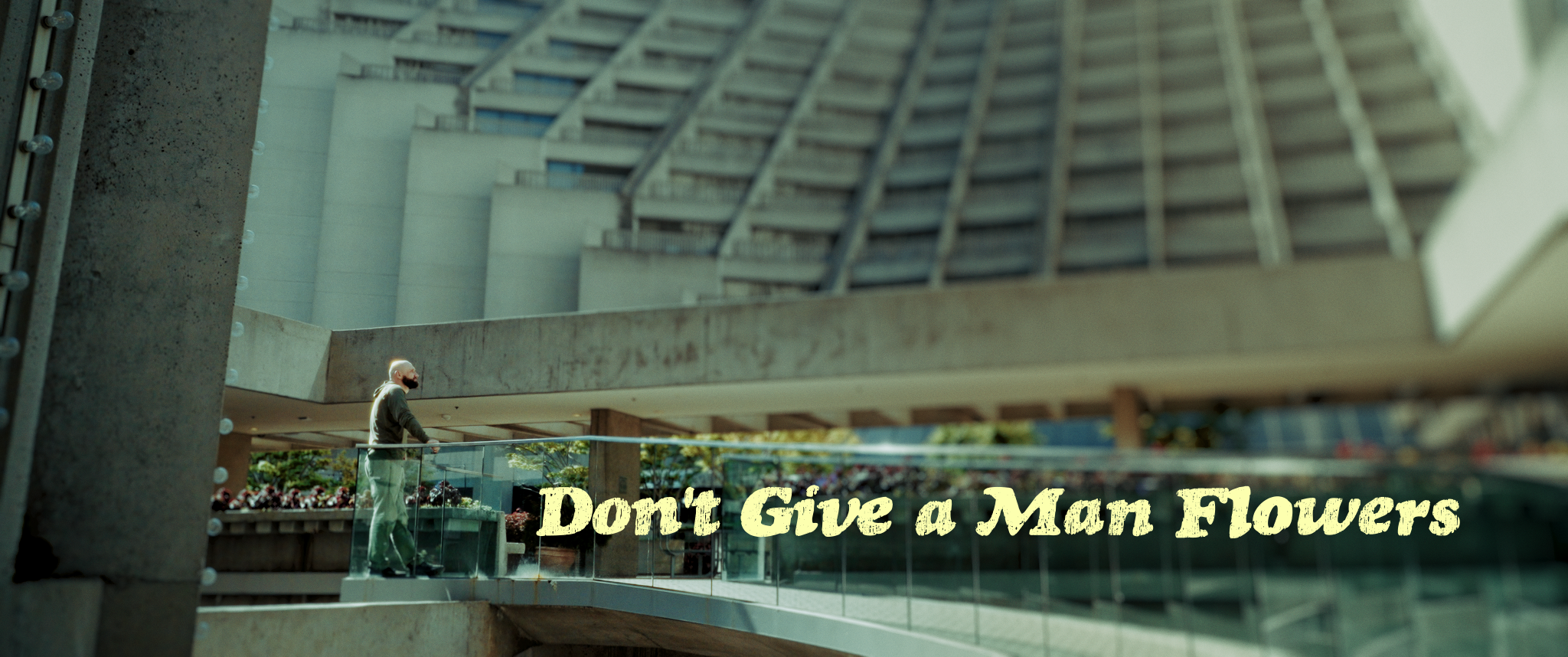
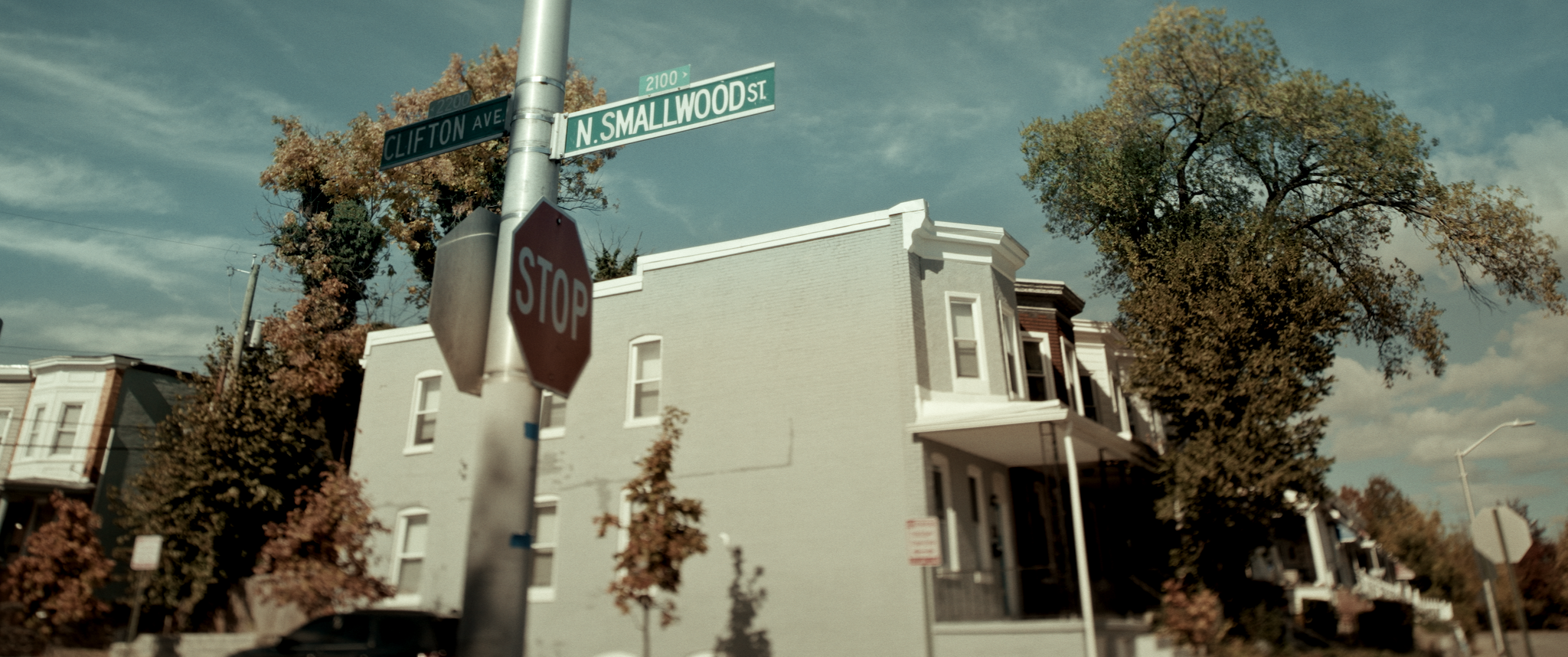
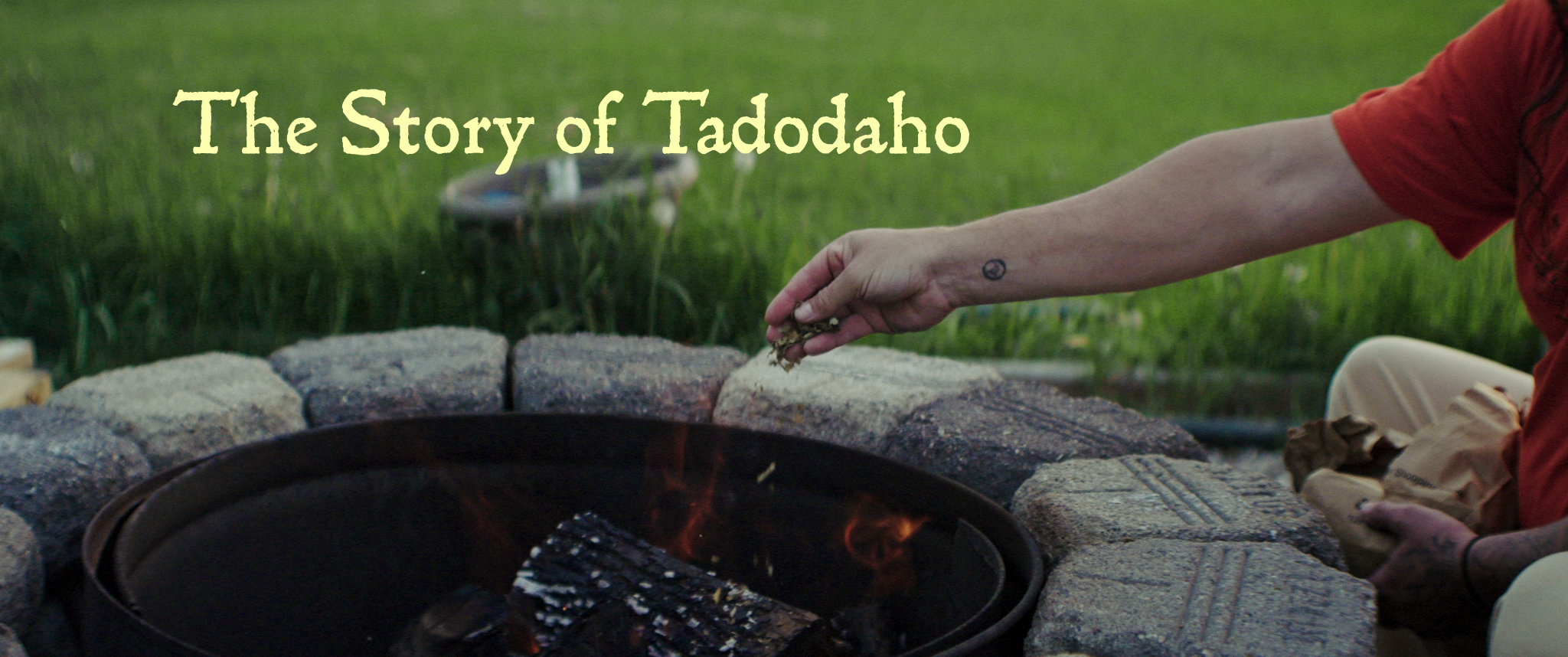
The film is structured in three chapters, each named for the story or place at its center. NP2100 takes its name from the corner of North Avenue and Pulaski Street, the Baltimore neighborhood where the founders of the Holistic Life Foundation grew up, and where they first began teaching yoga and mindfulness to kids navigating the same streets they did. Don't Give a Man Flowers comes from something said by one of those Baltimore community members. The phrase translates roughly as: we only give men flowers at their graves, meaning they never receive tenderness or care while they're alive. There is no safe, nurturing place for them to feel their feelings. That absence becomes the emotional key to the second chapter, which follows a Ukrainian war veteran through the disorienting work of leaving combat behind. His story is less about Ukraine specifically and more about the experience of being inside a war zone and what it takes to leave that mindset, to cross back into ordinary life. Abstract GoPro footage from the frontline sits alongside long, quiet scenes of him in a San Francisco park, the green space he returns to as part of his rehabilitation. The contrast is the chapter: the hypervigilance of the frontline and the radical stillness of a park bench, and the enormous distance between them. The Story of Tadodaho centers on a figure from Mohawk tradition whose body became twisted by pain and was restored through collective care, a story that feels ancient and urgently contemporary at once.
Visually and formally, the film is shaped by a directors who understood that cinema could hold silence, contradiction, and mystery without resolving them. Wim Wenders, Derek Jarman's The Garden, Andrei Tarkovsky, filmmakers for whom atmosphere is argument and image carries what language cannot quite reach. Jonas Mekas is a particular touchstone, not only for his lyrical diary approach to documentary, but personally: the director spent formative years near his Anthology Film Archives in New York, and that space, its commitment to cinema as lived experience and artistic memory, left a lasting impression on how this film thinks about time, witness, and what it means to preserve a moment.
Sound is treated with the same intentionality as image. The score is original, composed to hold both the pain and the possibility the film moves between, always in service of what is already present in the room. Environmental sound, breath, silence, and music work together to create space for contemplation rather than instruction.
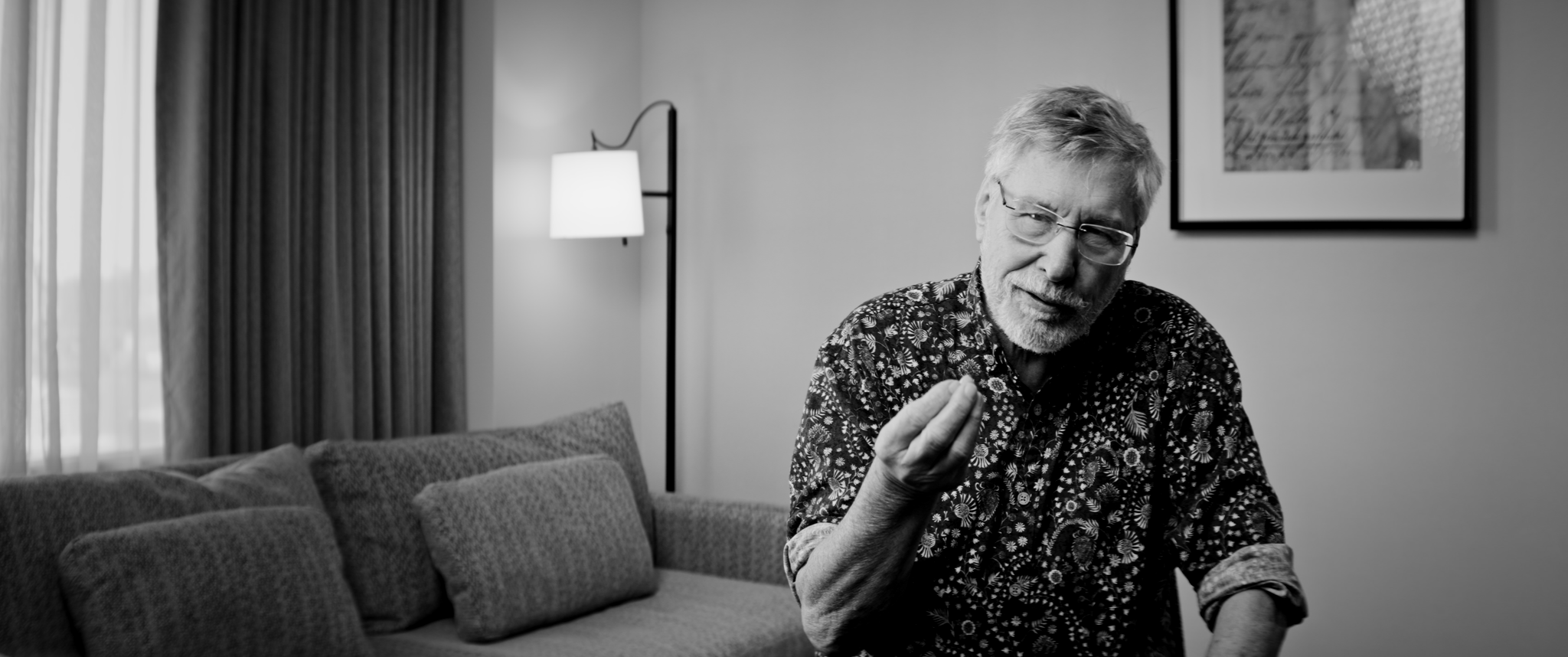
Scientifically grounded but not science-forward, Child Soldier Teacher weaves researcher voices through all three chapters as conversation partners rather than authorities, people whose frameworks illuminate what we are watching without containing it. The film is less interested in explaining trauma than in sitting with people inside it, and following them toward whatever healing looks like for them.
Child Soldier Teacher is a feature documentary in three chapters, each rooted in a specific place, a specific community, and a specific way of answering the same question: How do people heal after living through violence?
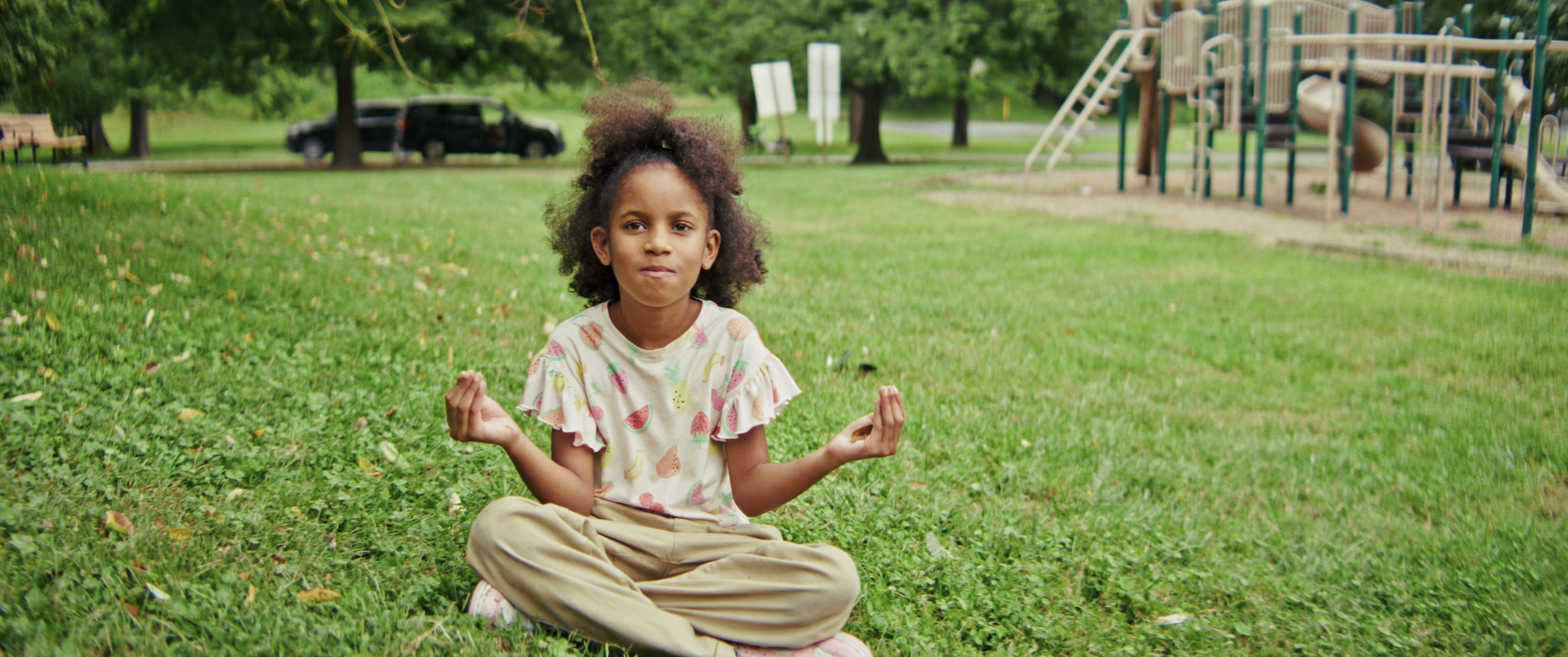
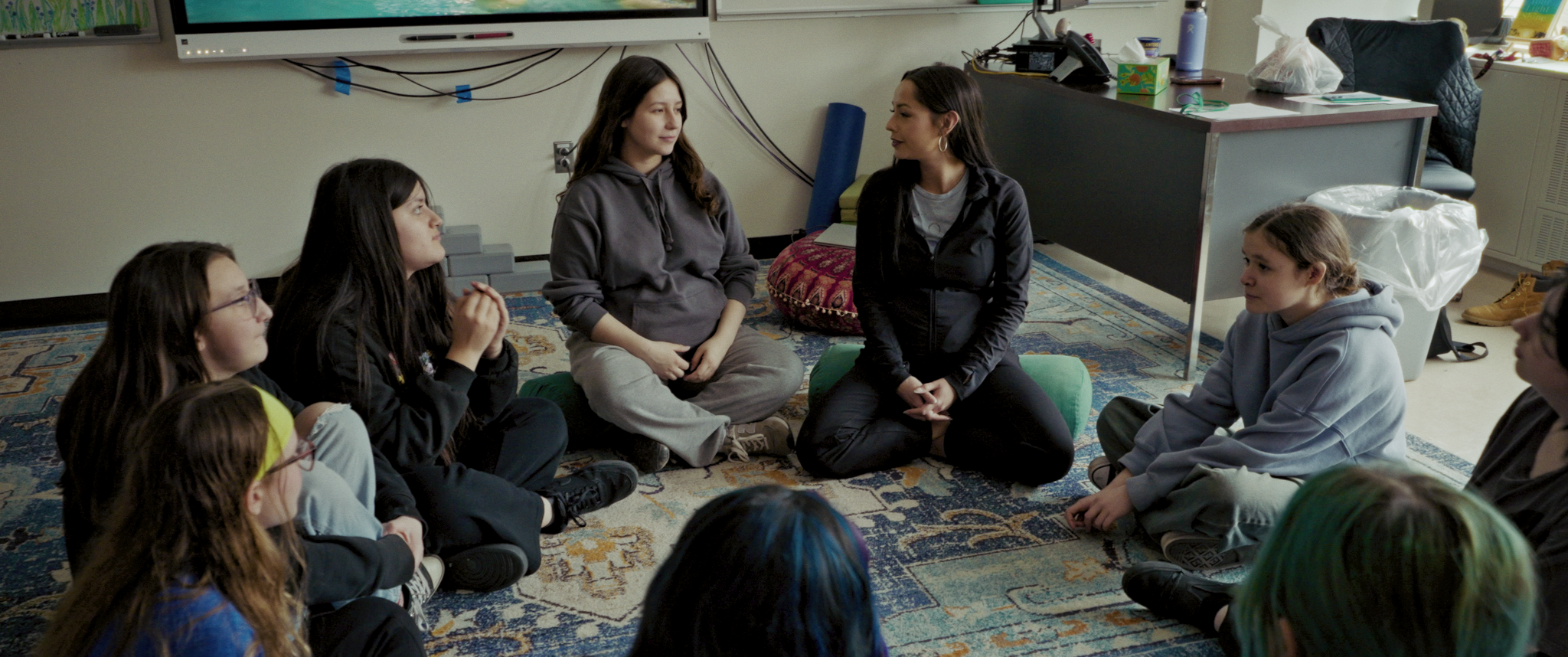
The film opens in Baltimore where we meet a student and teachers from the Holistic Life Foundation (HLF) who are working with young people who've grown up surrounded by poverty and chronic stress. We learn about the neighborhood where the founders grew up and how this neighborhood is a prototype of many of Baltimore’s impoverished neighborhoods that were created from Redlining. We learn why and how the founders of HLF started their study of yoga and mindfulness and how they shared their knowledge with the youth in their neighborhood and all over Baltimore as a means for coping with chronic stress from violence and poverty. This chapter grounds the film's central argument: trauma isn't only something that happens to the mind. It lives in the body. And healing has to begin there.
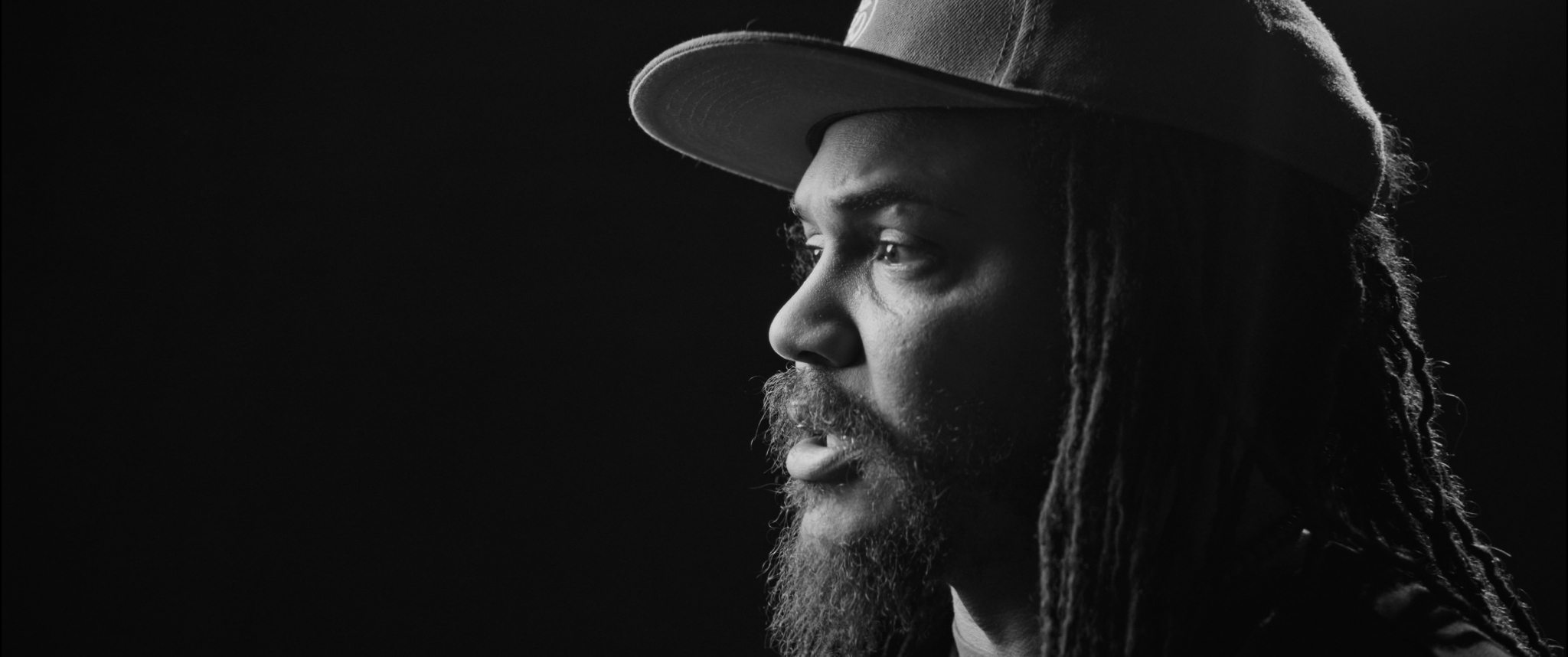
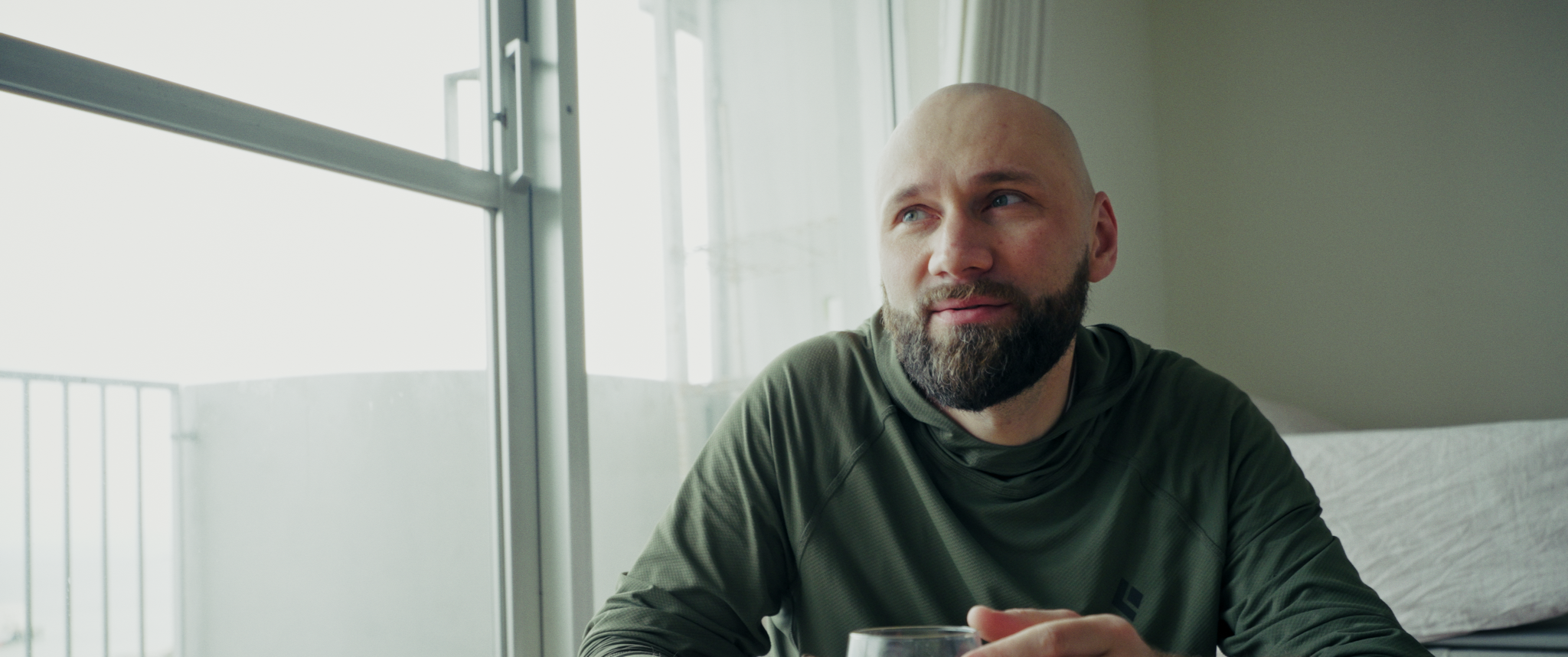
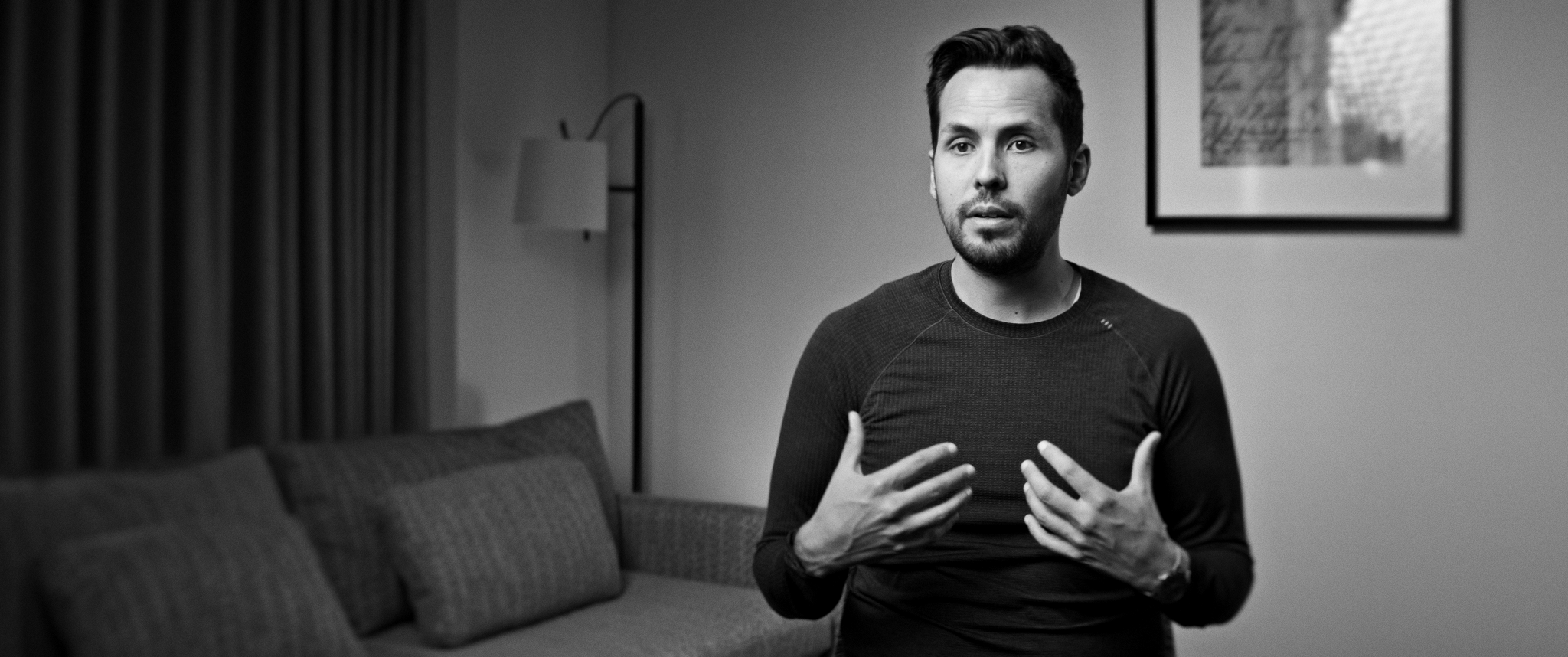
The second chapter follows a Ukrainian war veteran moving through the hard, disorienting work of transitioning from combat to civilian life. Reflecting on war, memory, beauty, and belonging, he offers an intimate account of the challenges of returning home after prolonged exposure to violence. In conversation with neuroscientists and trauma researchers, his experience opens into larger questions about fear, hypervigilance, and how human connection shapes the process of recovery.
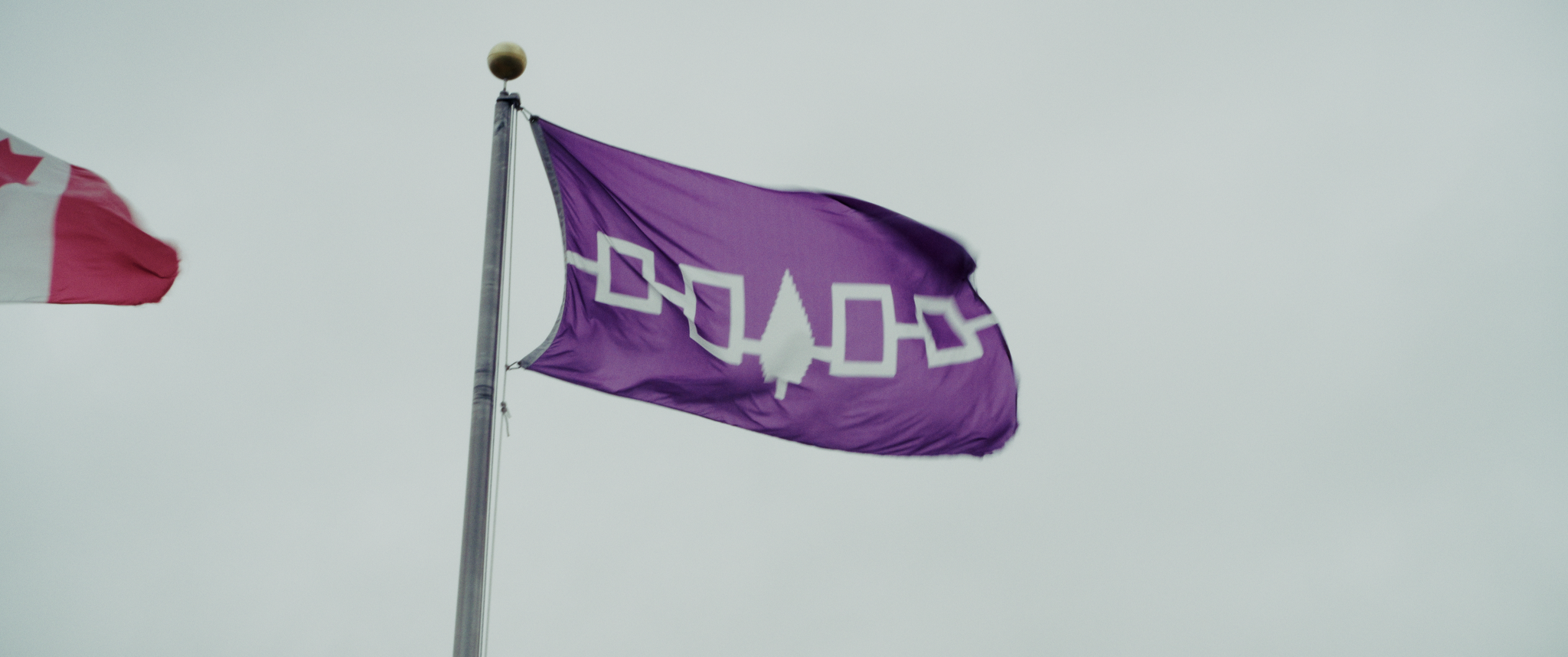
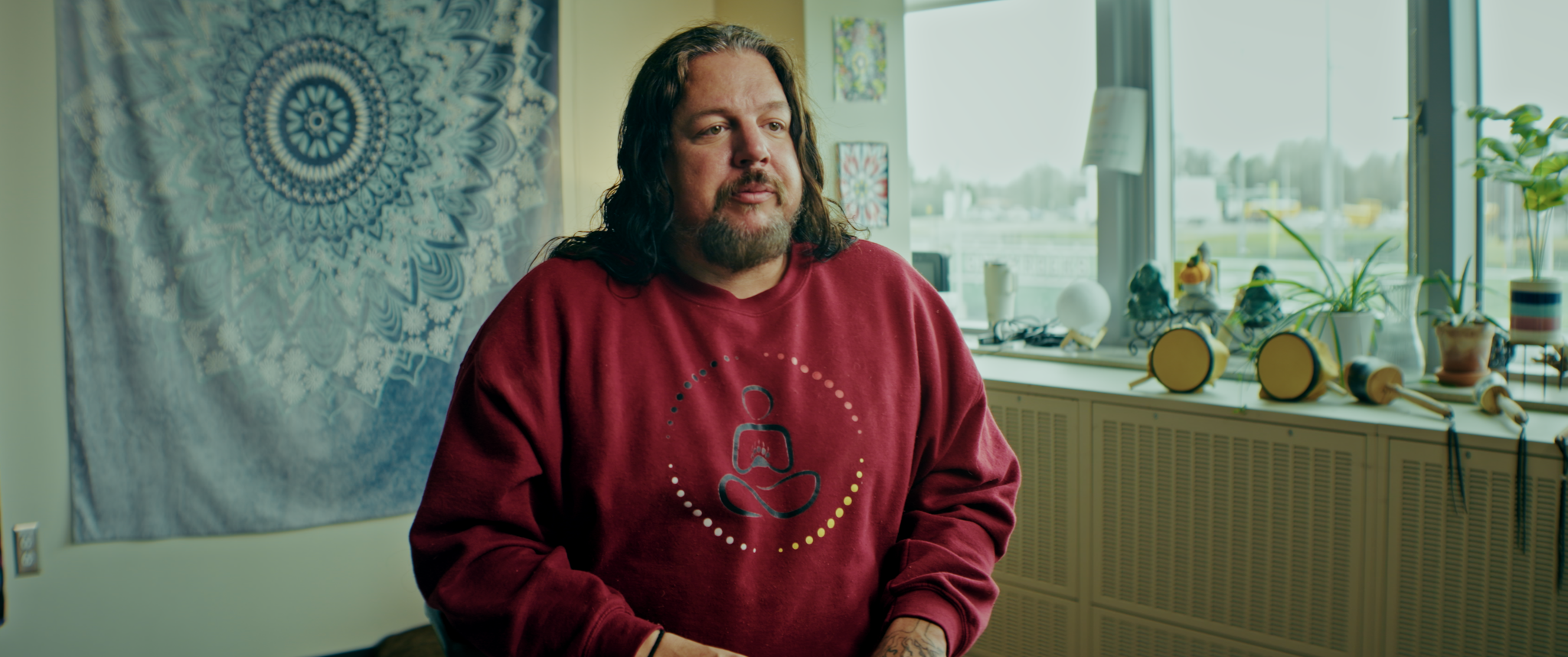
The final chapter travels to Akwesasne, the Mohawk territory straddling the U.S.-Canada border, where elders, educators, and community leaders are doing something that Western science is only beginning to name: healing historical trauma through culture, ceremony, and collective identity. At the center is the story of Tadodaho, a figure whose body became twisted by pain and was restored through communal care. It's a story that shows how communities carry historical trauma and how culture, ceremony, and shared identity can become sources of resilience.
Throughout all three chapters, scientists provide biological, neurological, social frameworks, while participants offer lived experiences that challenge and expand those ideas. Rather than presenting a single solution, Child Soldier Teacher follows curiosity into research labs and ceremonial spaces, into war-scarred cities and resilient classrooms, into the places where people are rebuilding trust, connection, and hope in the aftermath, or even in the midst of, violence.
The film is still actively in development, and significant work remains. The third chapter, set at Akwesasne, is the least defined and we are still deepening our relationships with the community and learning what stories are available to us, what protocols will shape what can be shown, and how this chapter will ultimately take form.
More broadly, one of the central challenges ahead is editorial: how the three chapters speak to each other, where the scientific voices live within the narrative, and how to weave distinct stories across very different communities into a coherent whole. That structural work will also determine what footage we still need to capture. The questions driving us forward are the same ones driving the film itself: how healing happens, what it requires, and what it looks like when people are given the conditions to pursue it.